Two projects with the same capex can carry very different debt. Revenue quality, risk allocation and lender appetite are sector-specific, and they set the tenor, security and pricing before a single term sheet is written.
Revenue quality. Contracted, seasonal or demand-led cash flows change the debt size.
Risk allocation. Construction, offtake, currency and regulatory risk need an owner.
Lender appetite. DFIs, banks and ECAs underwrite different assets on different terms.
Sectors
Eight sectors. One underwriting standard.
Select a sector to see what we finance and how the capital is structured.
Infrastructure & PPP
Roads, bridges, water and PPP structures with bankable offtake and clear risk allocation.
Real Estate & Housing
Serviced apartments, affordable housing and mixed-use schemes in fast-growing cities.
Healthcare & Life Sciences
Hospitals, diagnostics and life-science facilities that expand access and quality.
Heavy Industry & Manufacturing
Cement, steel, processing and industrial parks that need long-tenor capital.
Energy & Maritime
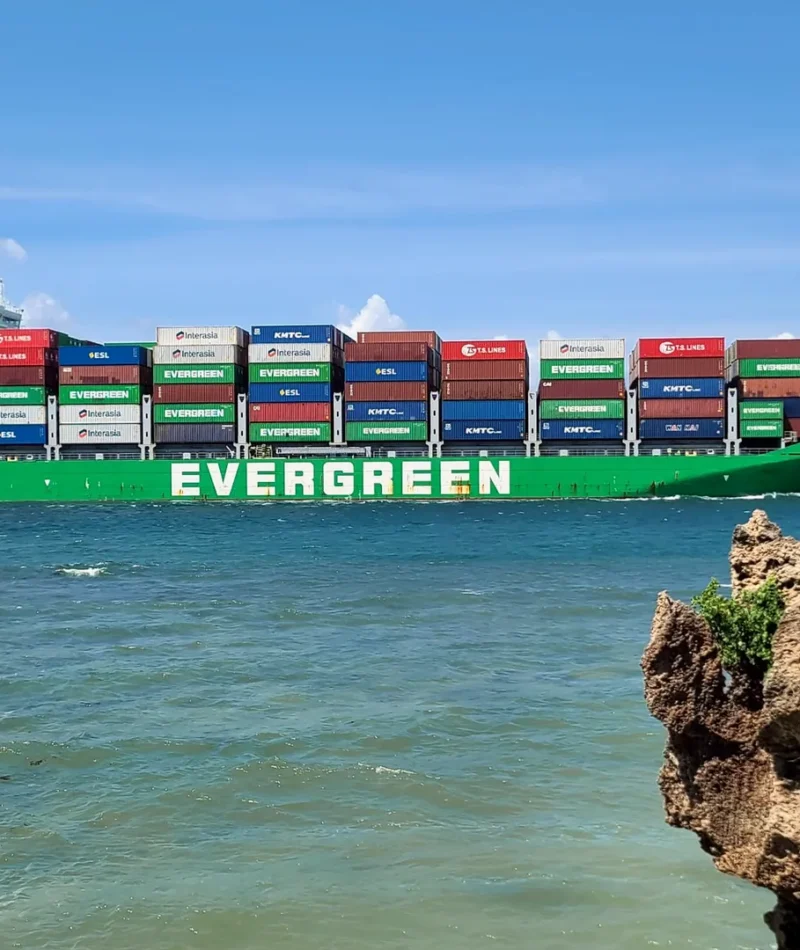
Generation, transmission, ports and marine infrastructure with contracted revenue.
Agribusiness & Pharma
Processing, storage, irrigation and pharmaceutical capacity that cut import dependence.
Transport & Logistics
Corridors, warehousing and fleet assets along East Africa’s trade routes.
Creative & High Growth
Film, design, technology and media businesses with scalable revenue models.
Cross-sector capability
Capital expertise that travels across sectors.
The sector changes the asset. The discipline behind the capital does not.
Bankability and DSCR
Cash flows, security and covenants tested before capital is approached.
Blended and concessional capital
Concessional layers, guarantees and DFI participation sized to the risk.
Institutional placement
DFIs, ECAs, sovereign funds and private debt on aligned terms.
Execution to close
Term sheets, conditions precedent and disbursement managed to close.
FAQ
Sector FAQs.
The questions we answer most often. Every structure remains subject to lender approval and due diligence.
Do you work across all eight sectors?
Yes. The underwriting standard is the same. What changes is the revenue model, the risk allocation and the lender group.
How do you choose a sector mandate?
We look for a clear revenue case, a credible sponsor and a capital need that can be structured. Sector experience shortens the path.
Can sector and capital advice be combined?
Yes. Most mandates need both: sector context to test the asset and capital expertise to design and place the stack.